
YouTube has emerged as one of the channels through which the brands create awareness about themselves, interact with the audience, and influence the buying decisions of people.
However, along with making sure that their advertisements do not get displayed beside dangerous content, advertisers now have another issue to consider, that is, ensuring their advertisements run next to the right content.
This is where brand suitability becomes important for maintaining brand reputation.
The video may be completely free from any dangerous content, but it may still have very little relation with the brand, the target audience or the objectives of the advertising campaign.
For instance, if a high-end skincare product finds its ad placed in the middle of a video game walkthrough. The video may not be dangerous at all, yet it is completely irrelevant.
YouTube relevancy analysis helps advertisers move beyond basic safety checks to evaluate whether video content aligns with their brand messaging, target audience, and campaign goals.
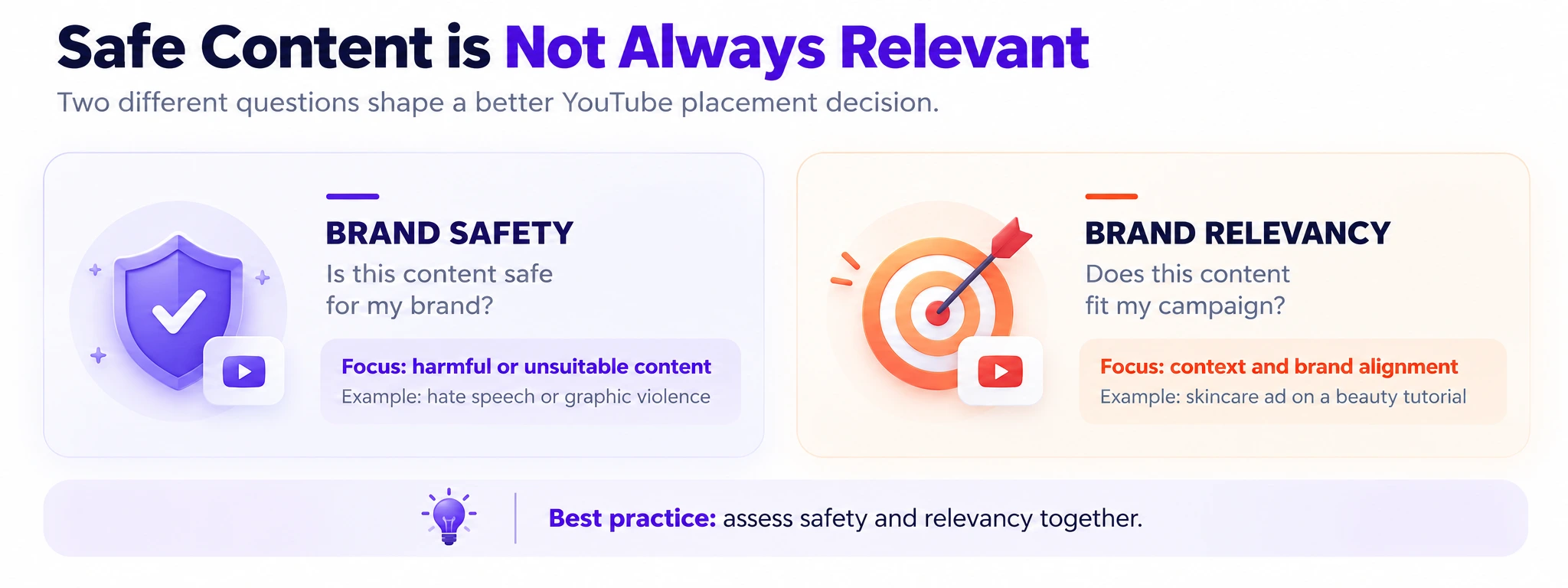
Figure 1. Brand safety and brand relevancy answer different questions.
What is YouTube Relevancy Analysis?
YouTube Relevancy analysis involves analyzing the videos to assess their appropriateness in context to a certain brand or ad campaign.
Instead of just relying on video titles, descriptions, keywords, and other aspects of the videos, relevancy analysis examines the actual context of the videos in terms of the campaign's intentions and objectives. The right analysis will take into consideration the following signals:
Content relevance: Whether the video’s subject matter aligns with the advertised product or service.
Visual context: What appears on screen, including objects, scenes, logos, and text overlays.
Audio and speech: What is spoken or communicated through the video’s audio.
Sentiment and tone: Whether the emotional environment supports or conflicts with the brand’s messaging.
Audience and campaign alignment: Whether the content is appropriate for the intended audience and campaign objective.
Regional and cultural context: Whether local language, slang, and cultural references affect the meaning or suitability of content.
This forms the foundation of effective contextual advertising, where ad placements are evaluated based on the actual meaning and context of the content.
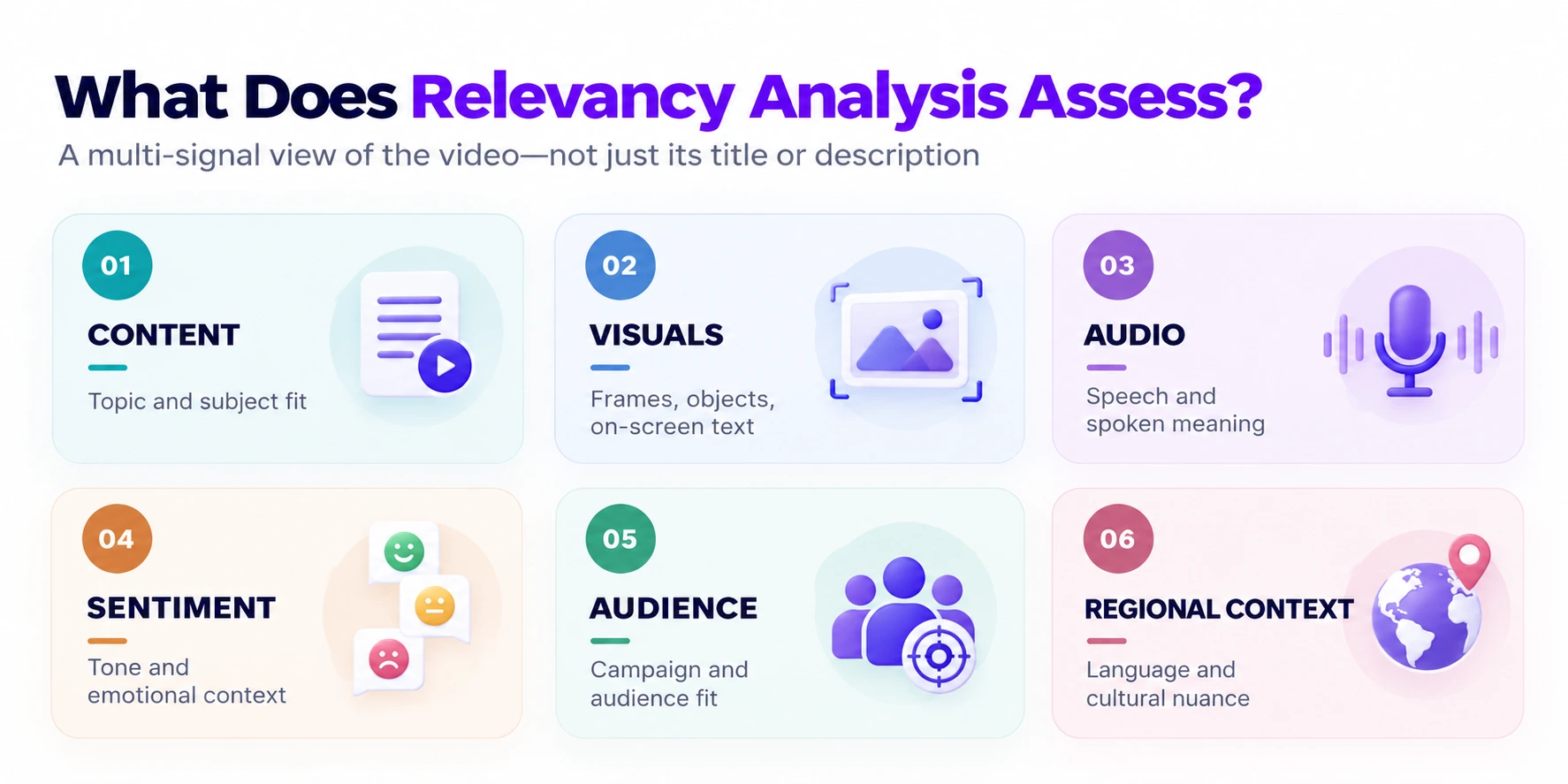
Figure 2. Key signals that can contribute to a relevancy assessment.
Brand Safety vs. Brand Relevancy: Understanding the Difference
The two concepts are distinct from one another but play complementary roles. Brand safety involves minimizing the risk of advertisements appearing against inappropriate and dangerous content, such as hate speech and violent imagery.
On the other hand, brand relevancy involves the compatibility of the content environment with the brand, the product, the message, and the target market.
Example | Brand safety perspective | Relevancy perspective |
Skincare ad on a beauty tutorial | Generally suitable if content meets brand standards | High potential relevance |
Automobile ad on a children’s cartoon | The video may be entirely safe | Potentially low relevance to the intended audience |
Food ad on a cooking channel | Generally suitable if content meets brand standards | Strong contextual alignment |
Fitness ad alongside unrelated entertainment | The content may be safe | Relevance depends on campaign and audience |
These examples illustrate why safe inventory should not automatically be considered relevant inventory. Both dimensions should be evaluated to improve advertising placement quality.
Why YouTube Relevancy Analysis Matters
1. Moving Beyond Titles and Keywords
A video’s title and description don’t always reflect its content. A title may carry popular keywords while the video covers something else. Contextual analysis evaluates meaning rather than isolated words.
2. Identifying Irrelevant Placements
High impression volume doesn’t guarantee quality.
Ads can earn reach on videos with little connection to a brand’s category, messaging or objectives. Relevancy insights separate inventory that delivers impressions from inventory with a stronger contextual fit, helping advertisers make better decisions about contextual ad placement for their campaigns.
3. Understanding Sentiment and Video Context
A video’s emotional tone shapes how audiences perceive the ads around it. A brand built on positivity and well-being may want to avoid sensational, hostile or distressing content, even when that content doesn’t breach basic safety standards.
4. Addressing Regional and Vernacular Nuances
In diverse markets such as India, videos often blend regional languages, English phrases, local slang, humour and cultural references. Literal translation or keyword matching can miss the intended meaning. Regional context analysis improves the assessment of local language content.
5. Improving Media Quality and Campaign Decisions
Relevancy insights help refine inclusion and exclusion lists, targeting and placement reviews. Paired with performance data, they support better budget allocation and media optimization. Any effect on engagement, conversions, or ROI should be validated against campaign results.
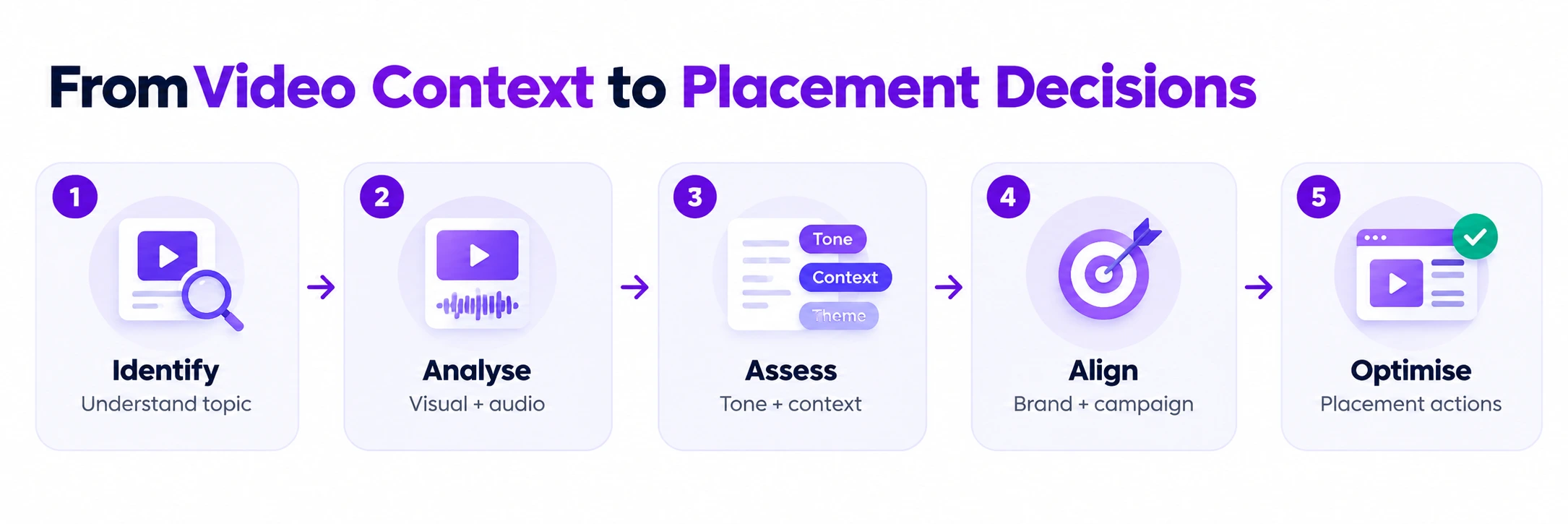
Figure 3. Illustrative workflow for contextual relevancy analysis.
How mFilterIt Helps Advertisers Identify Relevant YouTube Content
mFilterIt’s brand safety and suitability capabilities combine AI/ML-powered contextual analysis with video-frame recognition, audio and speech analysis, sentiment assessment, and regional context intelligence.
This approach helps advertisers evaluate the content surrounding their advertisements and identify placements that may be unsafe, unsuitable, or contextually irrelevant. Relevant capabilities include:
Contextual and relevancy analysis: Evaluating the relationship between video content and brand-specific campaign requirements.
Frame-level video analysis: Examining visual content to identify contextual signals that titles and descriptions may not reveal.
Audio, speech, and sentiment analysis: Understanding spoken content and emotional tone for a deeper assessment of video environments.
Regional context intelligence: Supporting assessment of local-language content, cultural nuances, and region-specific signals.
Placement monitoring and verification: Helping advertisers understand where their ads appear and use the resulting insights to improve campaign controls.
By combining safety, suitability, and relevancy assessment, mFilterIt helps brands move towards a more context-aware approach to YouTube advertising.
Conclusion: Make Every Placement Count
YouTube relevancy analysis enables advertisers to look beyond whether content is safe and ask a more strategic question: Does this content make sense for our brand?
Explore mFilterIt’s brand safety solution to understand how contextual intelligence can help improve advertising placement quality.