Consumer behaviour shifts rapidly during times of uncertainty. People seek immediacy, convenience, and assurance, especially when it comes to essential services. Unfortunately, this urgency is exactly what fraudsters capitalize on.
Our fraud detection experts identify various types of scams day in and day out. And what we have witnessed recently is not just another wave of financial fraud, but a shift in how fraud embeds into everyday customer journeys.
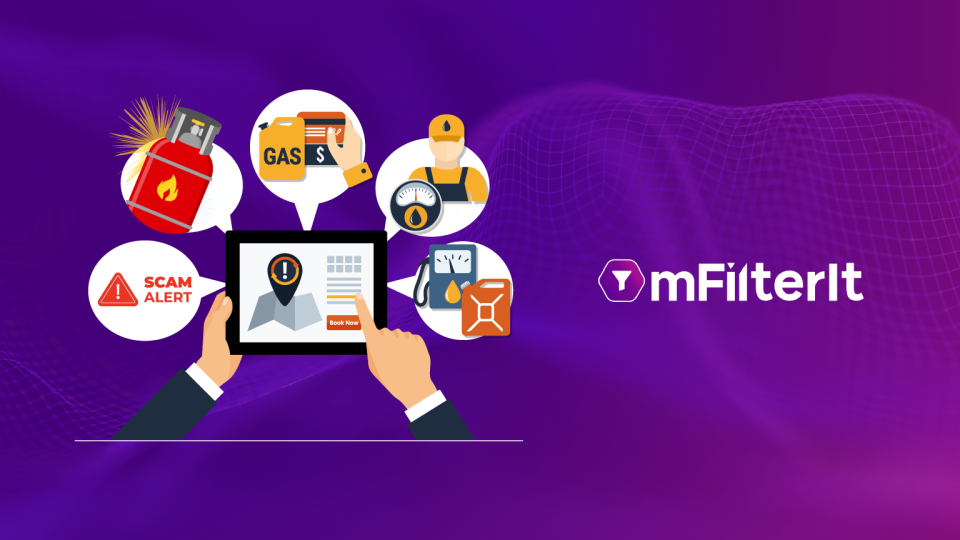
We have identified scams related to LPG gas bookings due to the shortage, considering the critical situation outside.
Fraudsters are leveraging a sophisticated mix of fake websites, phishing scams, social media posts, and messaging platforms to appear legitimate.
This is a critical inflection point.
Because, unlike traditional investment scams that rely on greed or high-return promises, these scams exploit need and necessity. They target consumers in moments of urgency, when trust is assumed without verification.
How Fraudsters Operate Through LPG Booking Scams?
Even scams during national events and crises like war situations, pandemic waves, and natural disasters, etc. follow a structured model designed to guide users from discovery to payments.
Here’s how LPG booking scam works:
Fake messages creating urgency and panic
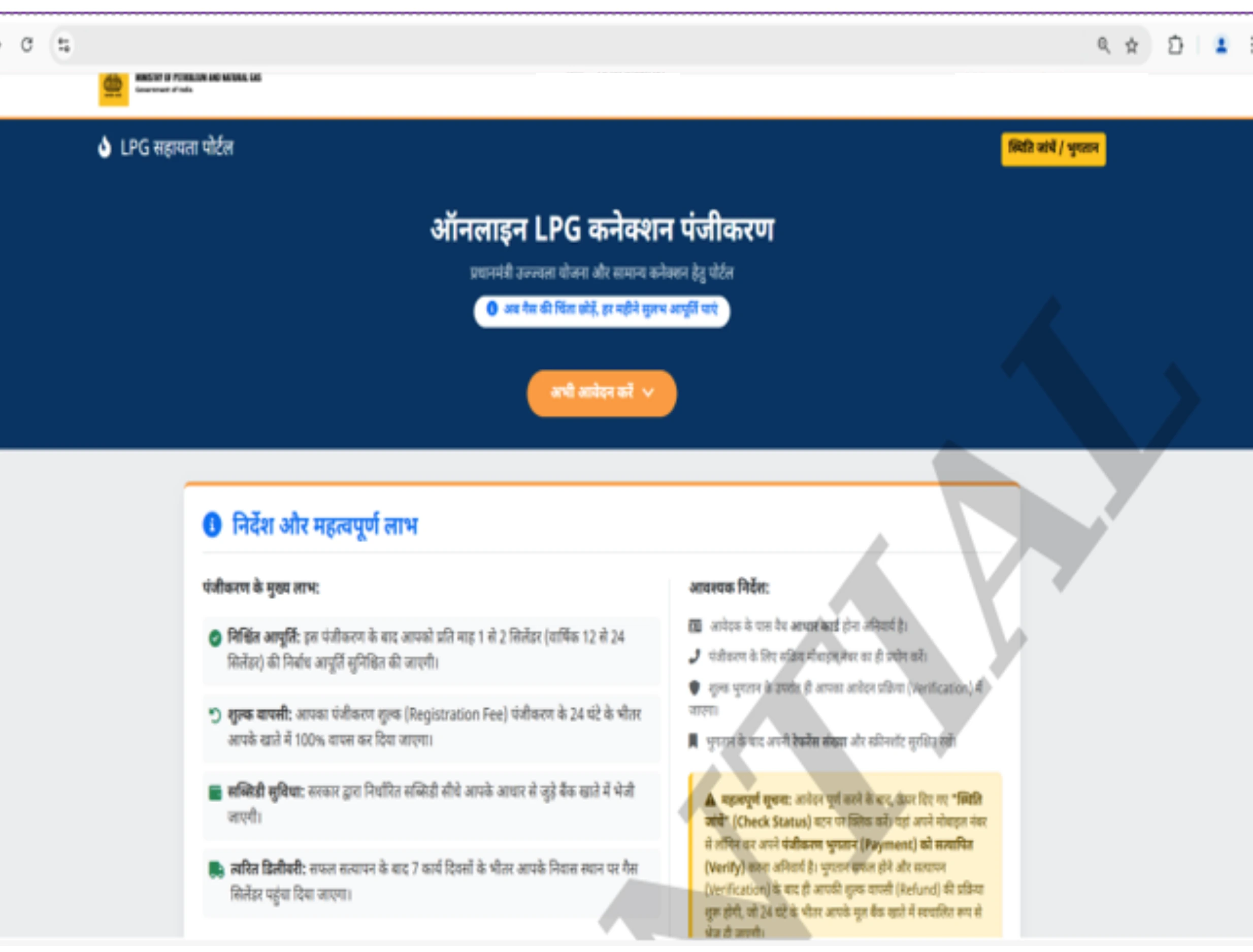
Fraudsters begin by creating panic-driven messaging such as “gas connection will be disconnected” or “limited stock available.” These messages are often linked to ongoing situations like shortages or supply concerns. The objective is to push users into taking quick action without verification.
Creation of digital assets like fake websites, social media handles, etc.
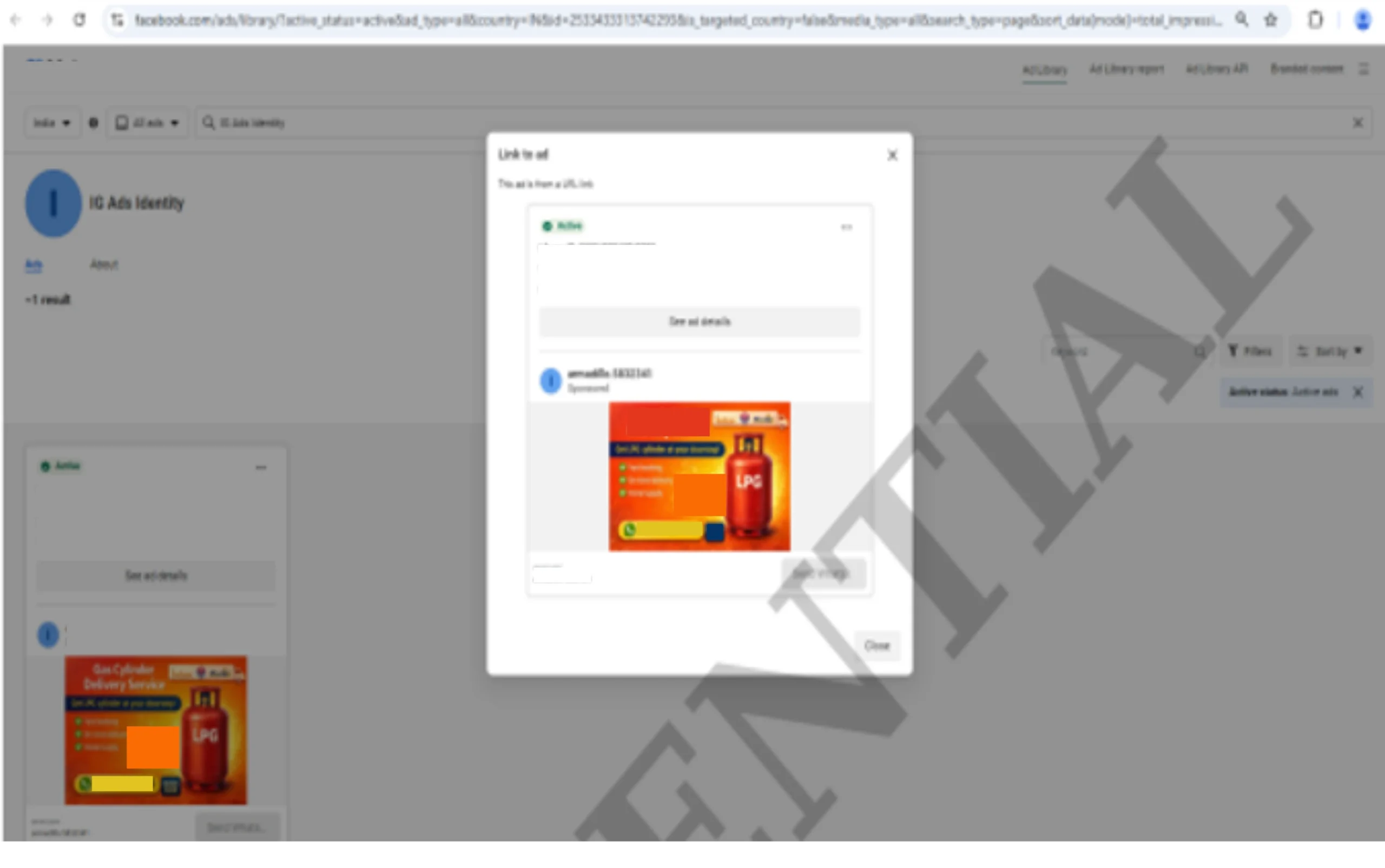
Once attention is captured, users are directed to fake platforms. These include lookalike booking websites, misleading landing pages, or sponsored links that closely resemble legitimate services. Their purpose is to create a convincing first impression and reduce suspicion.
Bulk messaging-based attacks
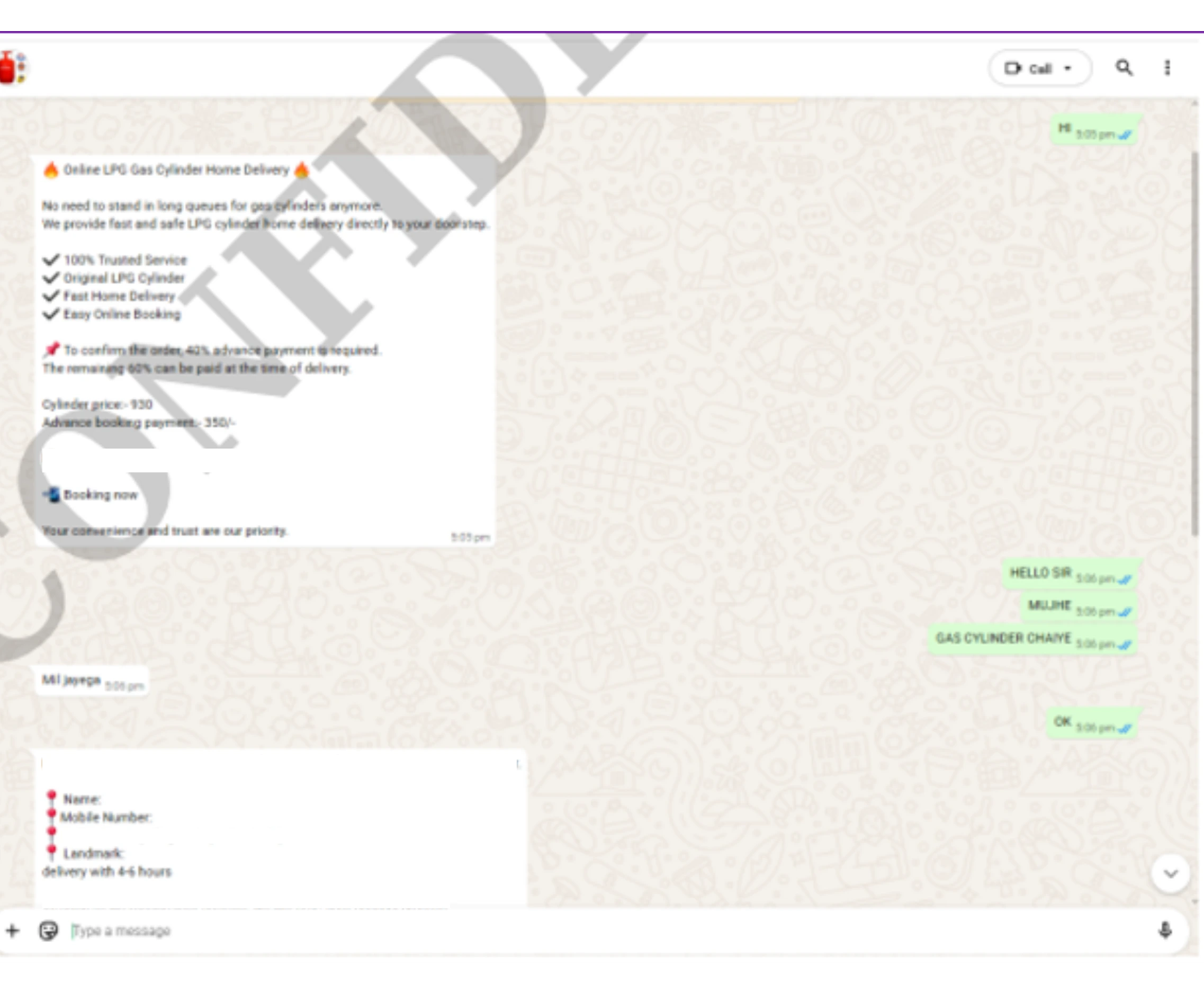
Fraudsters also rely heavily on messaging-based platforms like WhatsApp, Telegram, SMS, etc. to circulate fake booking links, payment links, and even KYC update requests, often framed as urgent actions that need immediate attention. This coordinated, multi-channel presence creates repeated exposure, making the scam appear more legitimate and increasing the likelihood of user interaction without proper verification.
Customer care impersonation and call-based fraud
In many cases, fraudsters directly interact with users by posing as customer support representatives or gas agency officials. They guide users step-by-step, using scripted conversations to build trust and create a sense of legitimacy.
UPI fraud and unauthorized transactions
Once trust is established, users are asked to make payments through UPI or bank transfers. These payment details are not linked to official entities, and funds are often routed through multiple mule accounts, making tracking and recovery difficult.
Disappearance after payment and no service delivery
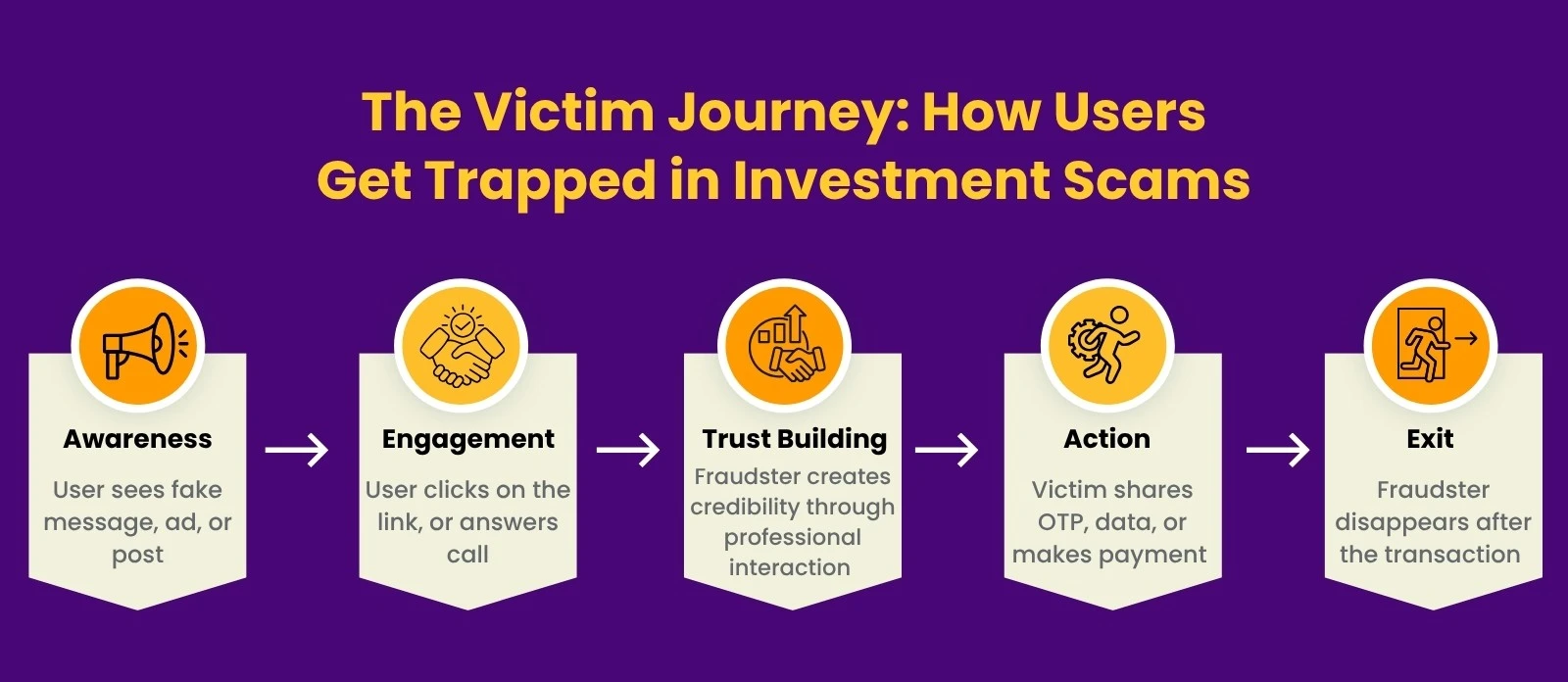
After the transaction is completed, fraudsters cut off communication. The websites, phone numbers, or links used during the interaction become inactive, leaving users without any confirmation, service, or refund.
Why The Rise in Digital Scams Demands a Broader Industry Response?
Digital scams or investment scams are not just platform problems, nor solely regulatory challenges. But an ecosystem issue. Brands, digital platforms, regulators, and brand protection technology providers need to collectively rethink how trust is built and protected online.
Because the question is no longer “Is this ad or website safe? It is now “Is this interaction authentic?” And that requires a fundamental shift from reactive moderation to proactive intelligence and continuous monitoring across the entire digital landscape.
How mFilterIt Helps Identify Digital Threats Using OSINT Technology
To tackle such evolving digital scams, the approach needs to go beyond surface-level fraud detection. Here’s how mFilterIt’s brand protection solution helps:
- Continuous monitoring across digital ecosystems including websites, search engines, social media platforms, and app environments, etc. to detect fake booking websites, phishing links, brand impersonation fraud, and malicious APK distributions.
- Identifies patterns and anomalies such as sudden spikes in crisis-related keywords (e.g., “urgent booking”), coordinated campaigns, and emerging fraud narratives linked to real-world events.
- Tracks misuse of brand names, government schemes, and crisis-driven messaging, helping uncover fake ads, sponsored scam campaigns, and misleading promotions designed to build trust.
- Analyzes social media and messaging platforms to detect fake posts, viral scam creatives, and coordinated disinformation campaigns, including how such content is amplified across networks.
- Combines AI-led intelligence with human validation to verify critical elements such as payment instruments, UPI IDs, bank accounts, and other suspicious activity signals.
- Maps complete fraud infrastructure, including linked domains, payment handles, phone numbers, and email IDs, to connect multiple fraudulent assets to a single organized network.
Moreover, once fraud is detected. The brand protection solution also helps in:
- Reporting fraudulent assets to platforms, hosting providers, and domain registrars for takedown.
- Shares structured intelligence with law enforcement and relevant authorities, including fraud URLs, payment details, and evidence to support investigation.
- Enables faster identification and blocking of mule accounts, fraudulent payment channels, reducing financial loss and limiting further spread.
- Issues early warnings and alerts to help prevent large-scale victimization before such scams escalate.
Conclusion: Staying Ahead of Evolving Digital and Investment Scams
The rise of LPG booking scams highlights a larger shift in how fraud operates today, moving beyond traditional formats and embedding itself into everyday consumer journeys. As fraud becomes more contextual, fast-moving, and harder to detect, relying on reactive measures is no longer enough.
Addressing this requires continuous monitoring, deeper intelligence, and faster action to identify and disrupt fraud networks before they scale.
To stay ahead of evolving scams, start monitoring and taking action before fraud reaches your consumers.
Get in touch with our brand protection experts today.
FAQs
What is an LPG booking scam?
An LPG booking scam is a type of digital fraud where scammers impersonate gas service providers using fake websites, phishing links, or messages to trick users into making payments or sharing sensitive information. These scams often appear during high-demand situations or supply concerns.
How does an LPG booking scam work?
Fraudsters create urgency through fake messages, redirect users to lookalike booking websites, build trust via calls or messages, and then collect payments through UPI or bank transfers. Once the payment is made, they disappear without delivering any service.
What is brand impersonation fraud in digital scams?
Brand impersonation fraud occurs when scammers misuse the name, logo, or identity of legitimate companies or services to appear trustworthy. Fraudsters create fake websites or communication channels that closely resemble real service providers to deceive users.
How can users protect themselves from LPG booking scams?
Users can protect themselves by:
- Booking only through official websites or apps
- Avoiding clicking on unknown links from SMS or WhatsApp
- Verifying payment details before making transactions
- Never sharing OTPs or personal banking information
How can organizations detect and prevent digital fraud?
Organizations need continuous monitoring across digital platforms, AI-driven pattern detection, and the ability to track fraud networks. Identifying anomalies, mapping fraudulent infrastructure, and taking timely action are key to preventing large-scale fraud.